

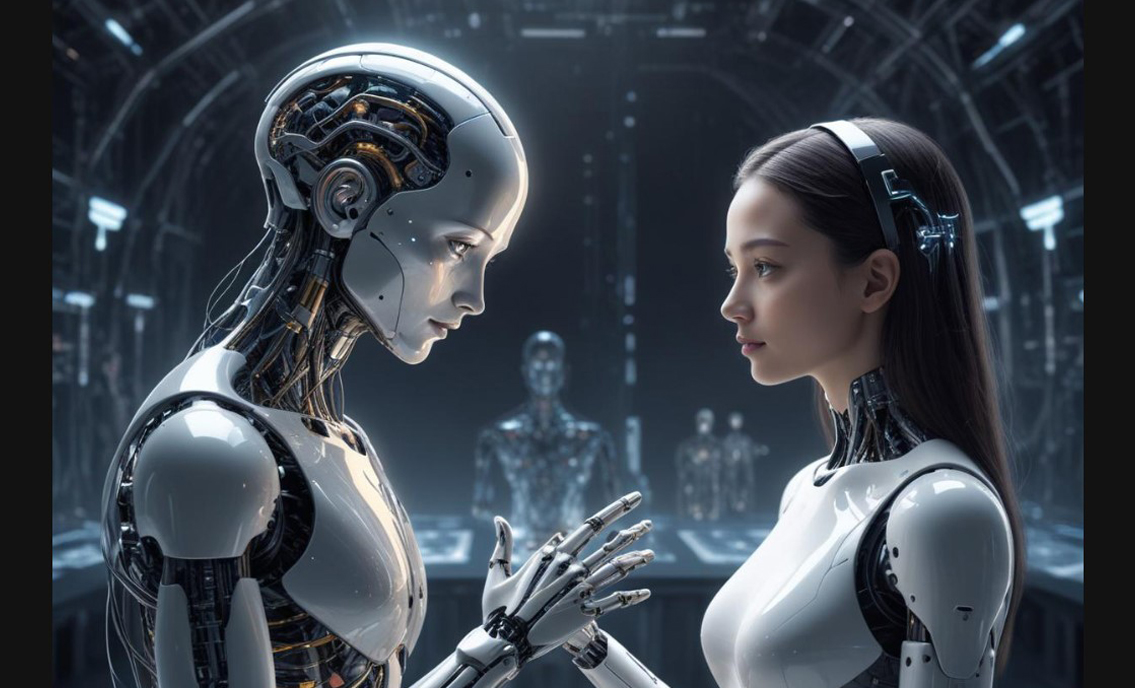
Have you ever read an email or chatted with a customer support bot and instantly known a machine wrote the text? The robotic, stiff language creates a wall between you and the brand. You want quick answers, but you also want authentic connection. Standard artificial intelligence struggles to provide that natural warmth.
The transition from AI to humanized content solves this exact problem. This approach takes rigid, automated text and reshapes it to sound like a real person speaking. It bridges the gap between digital efficiency and genuine human connection.
This guide explores the vital shift from raw AI to humanized communication. We will cover what this process means, the technologies making it possible, and how it dramatically improves user experiences. You will also learn about the core benefits for both businesses and individuals, along with practical solutions to common implementation challenges.
What Does “AI to Humanized” Mean and Why Is It Important?
When we talk about moving from AI to humanized, we mean transforming raw machine output into natural, conversational language. Standard AI models focus entirely on data probability. They string words together to be factually and grammatically correct, but they lack soul. The result often sounds monotonous and repetitive.
Humanizing AI changes these rules. It injects varied sentence structures, conversational phrases, and a natural rhythm into the text. You get the speed of automation combined with the approachable voice of a human writer.
This shift matters because trust drives all successful interactions. People trust other people. When a company uses robotic language to handle a sensitive customer complaint, the customer feels ignored. By humanizing the response, the company shows care and understanding. This builds trust, protects brand reputation, and keeps audiences engaged.
How AI Is Being Humanized to Improve User Experiences
User experience dictates whether a customer stays or leaves. In the past, interacting with automated systems frustrated users. They felt trapped in endless loops of canned responses. Now, the shift from AI to humanized communication changes how we interact with technology completely.
Developers now train systems to recognize context and user frustration. If a user types a hurried, annoyed message into a chat interface, a humanized AI picks up on those cues. Instead of replying with a generic, cold script, the system responds with softer, more understanding language.
Furthermore, humanized AI formats information better. Instead of delivering huge blocks of dense text, it breaks answers down into easily digestible pieces. It uses casual transitions that guide the reader smoothly from one point to the next. This makes the entire digital experience feel less like reading a manual and more like having a helpful conversation.
Key Technologies Powering AI to Humanized Methods
Turning a cold machine into a conversational partner requires complex technology. Developers rely on three main tools to make automated text feel warm and authentic.
Natural Language Processing (NLP)
Natural Language Processing acts as the brain behind the transition. NLP allows machines to read, understand, and replicate the way humans naturally speak. It analyzes slang, idioms, and sentence variety. Instead of forcing rigid grammar rules, NLP teaches the AI to use casual phrases and natural pauses, making the text flow beautifully.
Empathy Algorithms
True human interaction requires emotional intelligence. Empathy algorithms help machines achieve a basic form of this intelligence. These programs scan the user’s text for emotional keywords to gauge their current mood. The system then adjusts its vocabulary to match. If you express joy, the AI responds with enthusiasm. If you express concern, it answers with supportive, reassuring words.
Tone Adaptation
Not every conversation requires the same voice. An internal company memo sounds very different from a fun social media post. Tone adaptation technology lets you select the exact voice you need. You can instruct the software to sound professional, witty, or casual. The system then selects the right words and phrasing to match that specific vibe.
Core Benefits of Humanized AI
Bringing a human touch to automated systems offers massive advantages. Both large companies and everyday individuals see immediate improvements in how they operate.
Advantages for Businesses
For businesses, the shift from AI to humanized text directly boosts engagement and sales. Customers respond better to warm communication. When your marketing emails read like a letter from a friend, your open rates and click-through rates rise. Additionally, humanized chatbots resolve customer issues faster and leave buyers feeling valued, which builds long-term brand loyalty.
Perks for Individuals
Individuals benefit just as much. Whether you write cover letters, craft personal blogs, or send networking emails, this technology saves you hours of editing. You can use standard AI to generate your initial ideas quickly, then apply humanizing tools to make the final product sound authentic. You save time while maintaining your personal voice.
Challenges and Solutions in Achieving Humanized AI
Despite its incredible power, making machines sound human comes with specific challenges. Understanding these hurdles helps you use the technology effectively.
The most common challenge is the “uncanny valley” of text. Sometimes, an AI tries too hard to sound casual. It inserts bizarre slang or forced jokes that feel completely out of place. The text ends up sounding more alien than human. To fix this, you must keep a human in the loop. Always review your automated content before you hit send. A quick manual edit ensures the tone stays authentic.
Another major risk involves losing important facts. In the effort to make a sentence sound conversational, the AI might accidentally change a critical data point or technical term. You solve this by writing highly specific prompts. Tell the system exactly which facts, numbers, and names it must never alter during the rewriting process.
Embrace the Shift from AI to Humanized
We communicate through screens more than ever, but we never want to lose the human touch. The evolution from raw AI to humanized text gives us the best of both worlds. You gain the incredible speed of artificial intelligence without sacrificing the warmth and authenticity that your audience craves.
Take a closer look at your digital communications today. Are your automated emails and chatbots pushing people away with robotic language? Explore humanized AI tools to refine your messaging. Let this technology bridge the gap between efficiency and genuine connection, and watch your engagement soar.
